Life, Earth And Space
-
It is peak mosquito season, and while some lucky outdoor venturers seem unperturbed by the tiny insects, others appear to be relentlessly assaulted. Laurence Zwiebel, Cornelius Vanderbilt Professor of Biological Sciences, explains the most common culprits.
Jul 17, 2013
-
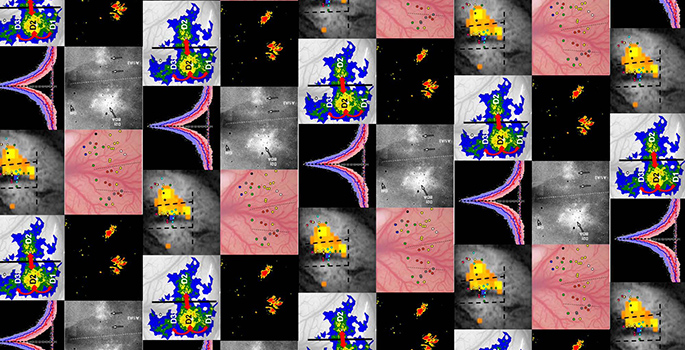
Validating maps of the brain’s resting state
A team of Vanderbilt researchers has provided important validation of maps of the brain at rest that may offer insights into changes in the brain that occur in neurological and psychiatric diseases. Read MoreJun 19, 2013
-

New, simple theory may explain mysterious dark matter
The reason dark matter, which makes up 85 percent of all the matter in the universe, is invisible could be because it possesses a rare, donut-shaped type of electromagnetism instead of the more exotic forces that have been proposed, according to an analysis of a pair of Vanderbilt theoretical physicists. Read MoreJun 10, 2013
-
A scientific team led by University of Louisville doctoral student Karen Collins has discovered a hot Saturn-like planet in another solar system 700 light years away. The discovery was made using inexpensive ground-based telescopes, including one specially designed to detect exoplanets and jointly operated by astronomers at Ohio State University and Vanderbilt University.
Jun 5, 2013
-
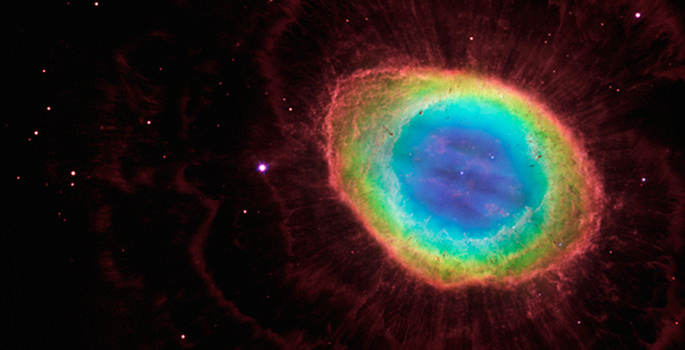
Astronomers determine the classic Ring Nebula’s true shape
A team of researchers, headed by Vanderbilt astronomer C. Robert O鈥橠ell, has combined images from NASA鈥檚 Hubble Space Telescope with images from ground-based telescopes to reconstruct the three-dimensional shape of the iconic nebula with unprecedented precision. In the process, they determined that it is considerably different than previously thought. Read MoreMay 24, 2013
-

World’s smallest droplets
Scientists at the Large Hadron Collider, the world's most powerful particle accelerator, may have created the smallest drops of liquid made in the lab. Read MoreMay 16, 2013
-

Untangling the tree of life
Vanderbilt phylogeneticists examined the reasons why large-scale tree-of-life studies are producing contradictory results and have proposed a suite of novel techniques to resolve the contradictions. Read MoreMay 15, 2013
-
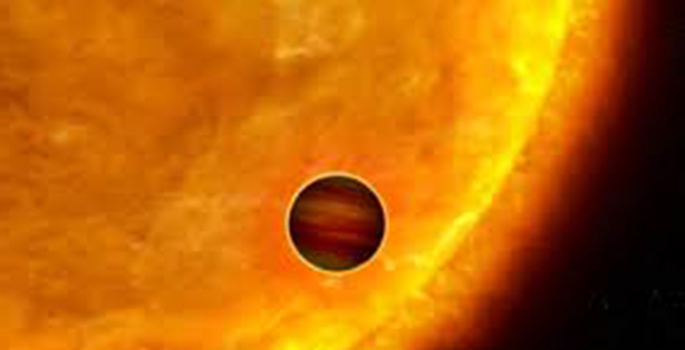
Vanderbilt’s role in new planet-finding space mission
A team of Vanderbilt astronomers will play a key role in the planet-seeking space telescope that NASA has just approved and scheduled for launch in 2017. Read MoreMay 1, 2013
-
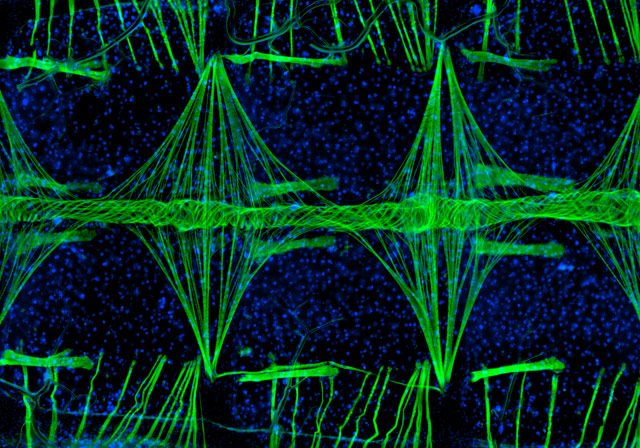
Setting mosquito hearts racing
Vanderbilt researchers have figured out how to set the mosquito's heart racing, helping them understand how the insect's immune system works and the methods that mosquito-borne parasites like those that cause malaria and yellow fever employ to circumvent it. Read MoreApr 23, 2013
-
This year the Fisk鈥揤anderbilt Master鈥檚-to-Ph.D. Bridge program, directed by Keivan Stassun, professor of astronomy, will become the nation鈥檚 No. 1 producer of minority Ph.D. recipients in physics, astronomy and materials science.
Apr 16, 2013
-
According to Seth Bordenstein, assistant professor of biological sciences, studying Wolbachia has yielded some surprising new insights on microbial evolution that could help us understand, treat and prevent certain infectious diseases. "It's what gets me up every day and keeps me excited about doing this work."
Mar 29, 2013
-
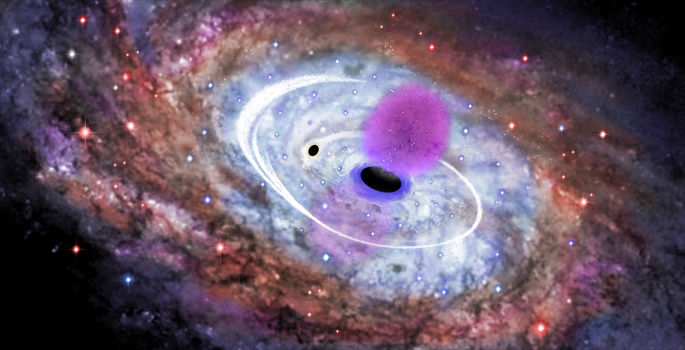
CSI: Milky Way
Two astronomers from Vanderbilt and Georgia Tech, sharing a car after a snowstorm canceled their flights home from a conference, put together everything they had learned at the conference during that snowy drive and worked out that a collision between two black holes could explain most of what is known of a violent episode in the Milky Way's past. Read MoreMar 6, 2013
-
Kelly Holley-Bockelmann, assistant professor of astronomy and physics, wraps up this three-part podcast series with an interview about her specialty, supermassive black holes.
Feb 27, 2013
-
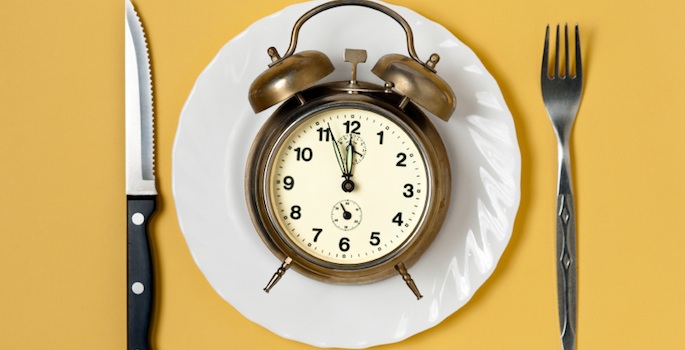
Circadian clock linked to obesity, diabetes and heart attacks
Disruption in the body鈥檚 circadian rhythm can lead not only to obesity, but can also increase the risk of diabetes and heart disease. That is the conclusion of the first study to show definitively that insulin activity is controlled by the body鈥檚 circadian biological clock. Read MoreFeb 21, 2013
-
In today鈥檚 Academic Minute, Dr. Larisa DeSantis of Vanderbilt University reveals what North America鈥檚 largest predators were eating just before they died out.
Feb 18, 2013
-

‘Snooze button’ on biological clocks improves cell adaptability
(iStock) The circadian clocks that control and influence dozens of basic biological processes have an unexpected “snooze button” that helps cells adapt to changes in their environment. A study by Vanderbilt University researchers published online Feb. 17 by the journal Nature provides compelling new evidence that at least some species… Read MoreFeb 17, 2013
-
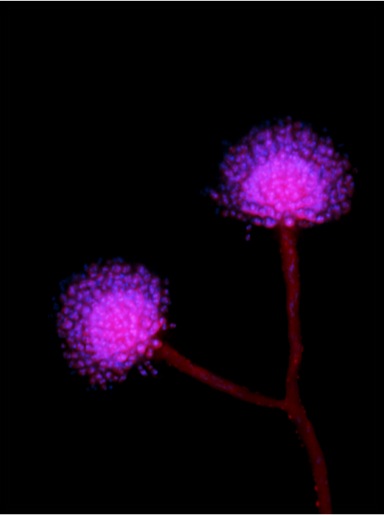
What beer, dogs, cats and soy sauce have in common: The movie
A new video report of research by Antonis Rokas and John Gibbons describes how humans domesticated microbes like yeast just as we domesticated cats and dogs. Read MoreFeb 5, 2013
-
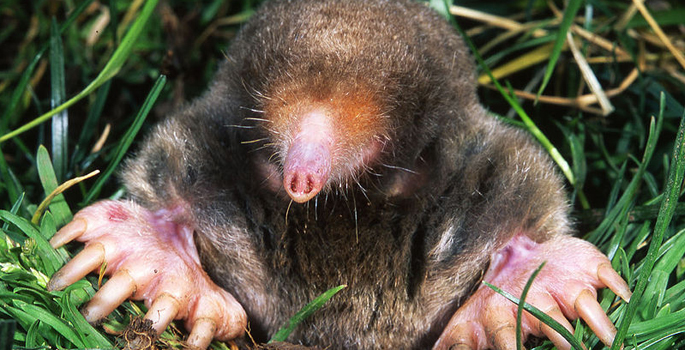
Evidence moles can smell in stereo
Neuroscientist Kenneth Catania has resolved a long-standing scientific debate by showing that the common mole can smell in stereo. Read MoreFeb 5, 2013
-
Kelly Holley-Bockelmann, assistant professor of astronomy, continues her discussion of black holes in the second part of this interview for Red Orbit.
Jan 28, 2013
-
Kelly Holley-Bockelmann, assistant professor of astronomy, talks about what sets black holes apart from other objects in the universe and explains how the laws of space, time and gravity bend and even break down to create the most destructive force in the cosmos.
Jan 24, 2013